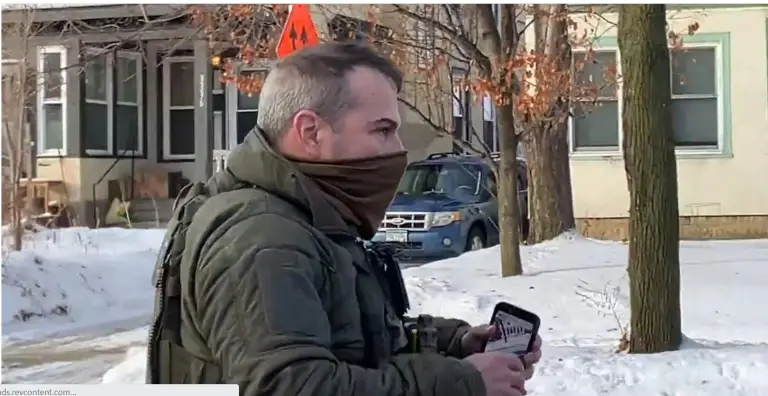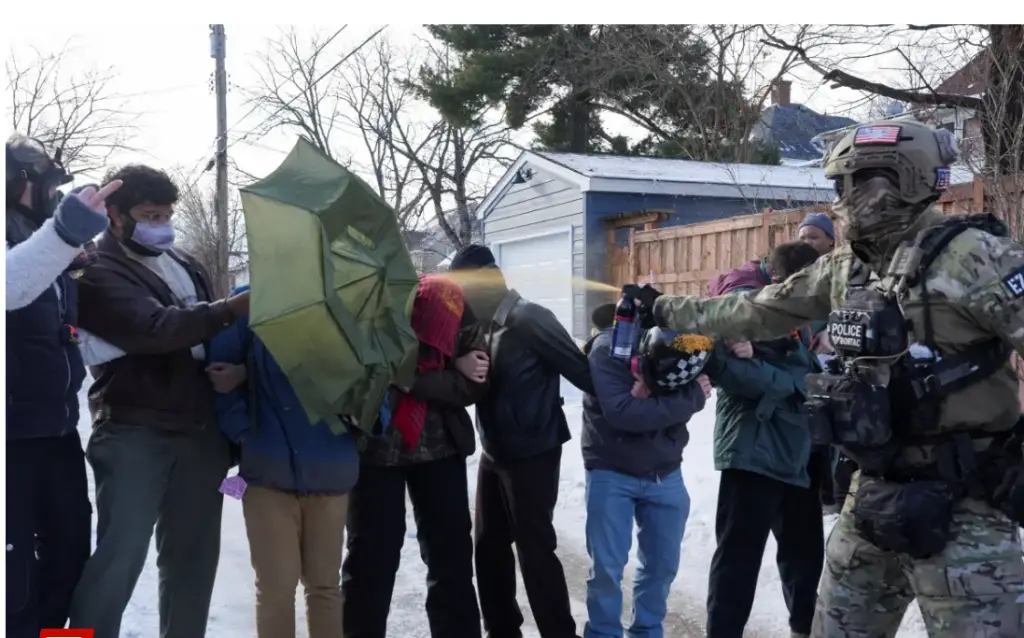
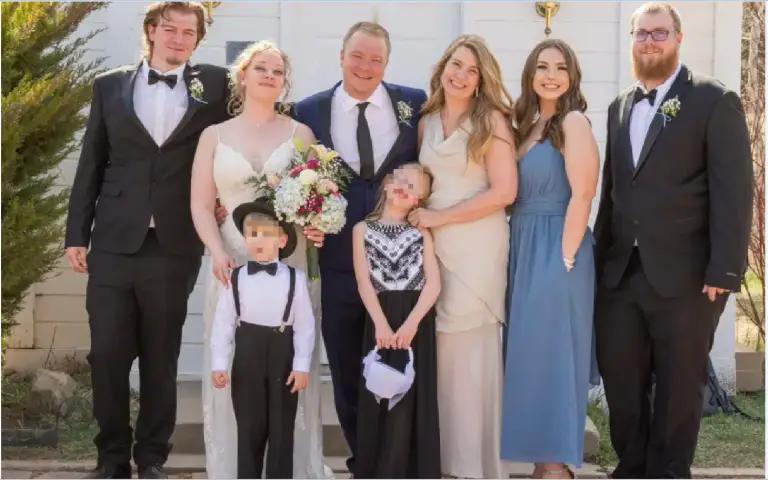
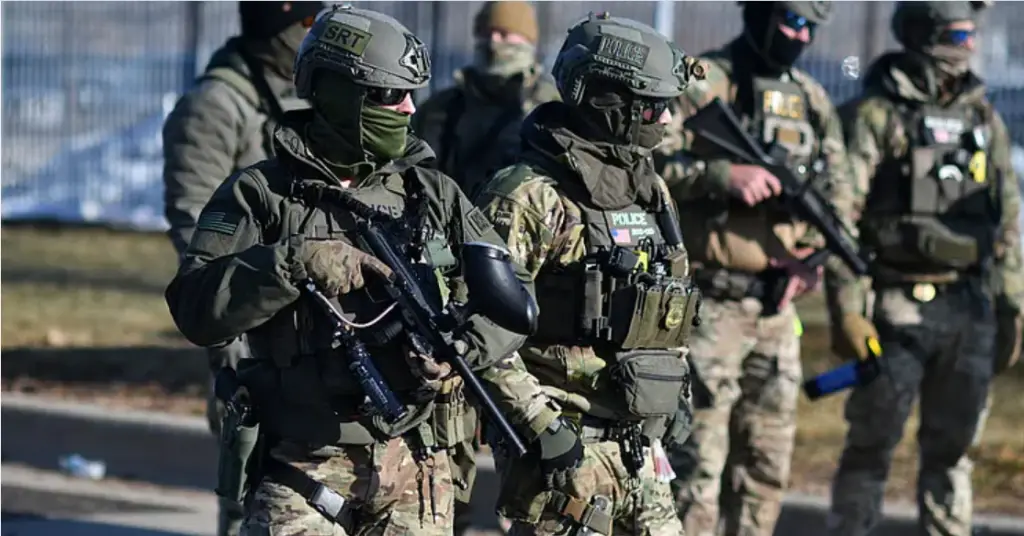
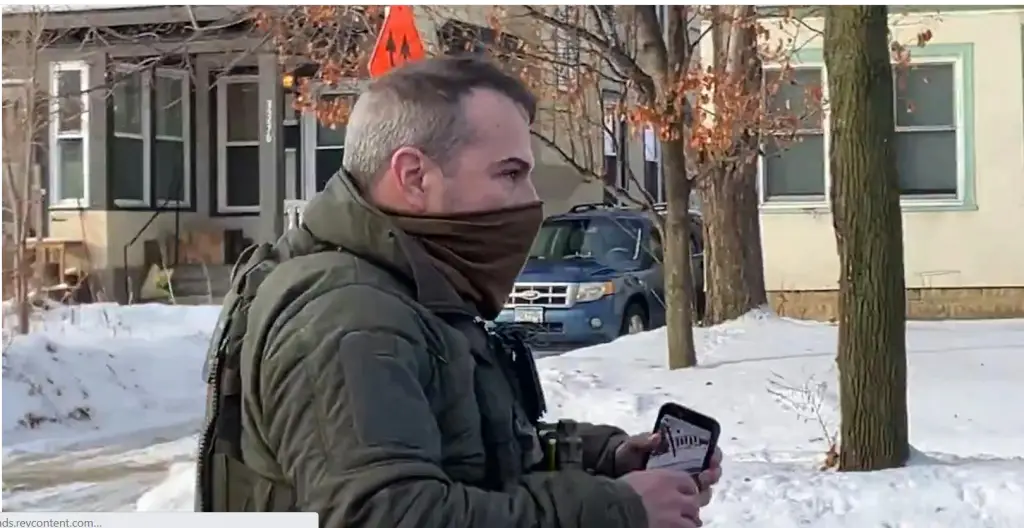
ICE agent Jonathan Ross shot and killed a white female American U.S. citizen named Renee Nicole Good. What started with Ms. Renee Good and her partner, Becca Good (Rebecca Good), playfully taunting ICE agents turned into a deadly tragedy.
As playful as Renee Good and Becca Good were, they failed to realize that they walked into a firestorm. Fate happened to place them in a place and time where many white people felt threatened and afraid. And warriors are out in force to preserve whiteness and restore a sense of order.
White men established the United States of America for white people, albeit on the backs of Black people. The unwritten agreement between the white man and the white woman is quite simple.
In a nutshell, it says, ‘We are establishing and have established this colony for you. Do not tell us how to keep it going. Do not interfere with our practice of supremacy.’ As a reward for your obedience, we will make you the queen of the Nile. We will make you the standard of beauty and all things worthy of worship. You shall be the envy of the world.
All other women of the nations of the Earth will worship and adore you. They will mimic you and wish to be you. Just don’t question how we provide all this largesse to you. Ms. Renee Nicole Good forgot the agreement, and she lost her life.
Whenever a white person goes out to defend the “humanity” of brown or Black people, they could be treated as such. Big Coon, Texas, Rep. Wesly Hunt recently reminded folks of that fact. Of Ms. Renee Good, he said, ‘When a federal agent gives you an order, you must obey it or get killed.’ Now, that’s a dumb fucking Coon.
White females were America’s first set of indentured, enslaved people, which illustrates the racial and gender hierarchies that have persisted throughout U.S. history and their roots in systemic oppression.
While it is frustrating sometimes to have unruly women in the streets, one cannot kill all the women. Black women are the most rebellious in a Black household led by a male. But you can’t get rid of them because they are intricately connected to the First and the Last, the Beginning and the End.
It would be an absolute disaster to kill off white women, because they are the spine of how the West Was Won. There will always be that feisty female among us. Please don’t kill her. THIS IS HOW THE WEST WAS WON!
Still, it is fair to observe that too many women have lost their femininity in pursuing equality. No woman is equal to any man. Even the woman or (Woeman) who lifts 600 pounds in the gym next to a man who lifts 100 pounds. She’s still not equal to any man.
She may be equal to a male. Not every male is a man.
Woman, don’t lose your femininity. Renee Nicole Good may have thought she was a male. But she was a woman. She was feminine all the way. She loved a woman, but she wasn’t a stud.
That’s why she had three children. This statement is not meant to take anything away from her lifestyle — to each his own. Let them cry, but don’t kill them unnecessarily. “She’s a flower growing wild.
She’s free, growing wild.”
A Beautiful song by the group Skylark ( Donny Gerrard) titled “Wildflower” says of the woman:
[Verse 1]
She’s faced the hardest times you could imagine
And many times her eyes fought back the tears
And when her youthful world
Was about to fall in
Each time her slender shoulders
Bore the weight of all her fears
And a sorrow no one hears
Still rings in midnight silence in her ears
[Chorus]
Let her cry, for she’s a lady
Let her dream
For she’s a child
Let the rain fall down upon her
She’s a free and gentle flower
Growing wild
[Bridge]
And if by chance I should hold her
If by chance I should hold her
Let me hold her for a time!
But, if allowed just one possession
I would pick her from the garden
To be mine
To be mine
[Verse 2]
Be careful how you touch her
For she’ll awaken
And sleep’s the only freedom
That she knows
And when you walk into her eyes
You won’t believe
The way she’s always paying
For a debt she never owes
And a silent wind still blows
That only she can hear, and so she goes
Let her cry, for she’s a lady
Let her dream
For she’s a child
Let the rain fall upon her
She’s a free and gentle flower
Growing wild
Let her cry, for she’s a lady
Let her dream
For she’s a child
Let the rain fall down upon her
She’s a free and gentle flower
Growing wild
She’s a flower
Growing wild
She’s free
Growing wild
On a recent episode of the Karen Hunter Show on YouTube, Karen Hunter had a fascinating and revealing conversation with a guest caller. The conversation shows how much Black people lack the functionality of the “white race.” COMING UP NEXT>>>