The constitution protects some recklessness.
One day, a member of a religious congregation stood up and yelled a string of profanities at the preacher. ‘Hey preacher man,’ he shouts, you are a lying mother sucking piece of shit.’ ‘I wish you were dead.’
As the shouting man leaves the church, he gives everybody the middle finger.
The rest of the congregation and the preacher were shocked and disgusted by the disturbance.
However, as reckless as the man’s behavior was, there is nothing the churchgoers can do legally about it.
They could call the police and have the obtuse person trespassed, so the next time he sets foot on the premises, he could be arrested.
The police may arrest him for trespassing, but not for exercising his constitutionally protected rights, however vulgar.
The Constitution of the United States protects that kind of recklessness, as seen in cases such as Tinker v. Des Moines Independent Community School District (1969.
As well as Texas v. Johnson (1989), and Brandenburg v. Ohio (1969), where the Court held that speech advocating illegal action is protected unless it is intended to, and likely to, incite “imminent lawless action.”
The Constitution of the United States of America recognizes the rights of persons to speak freely and unthreateningly.
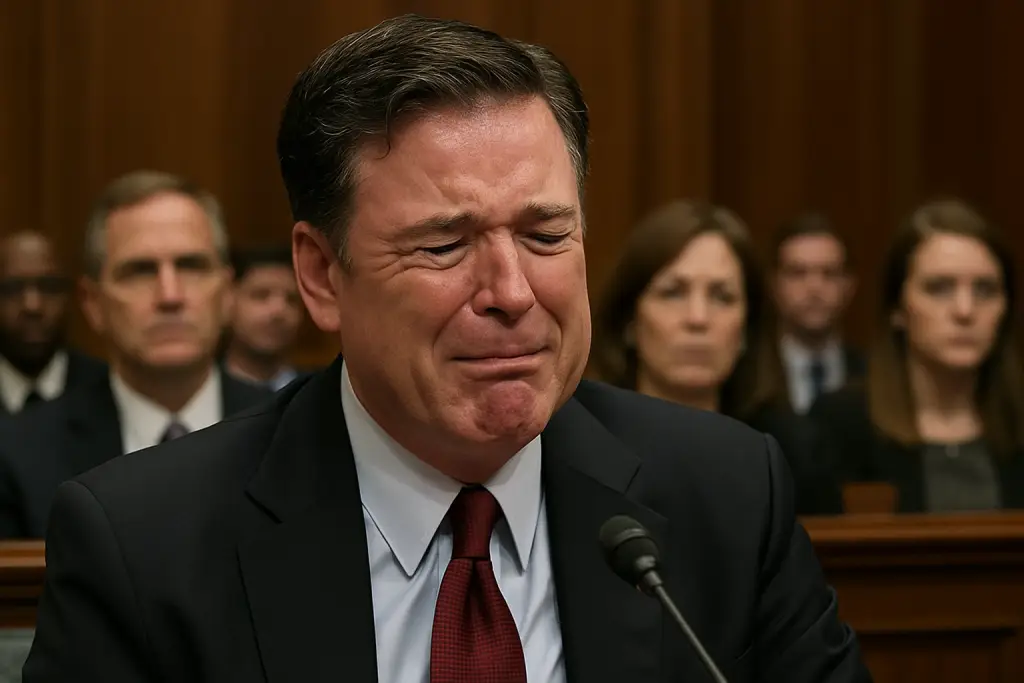
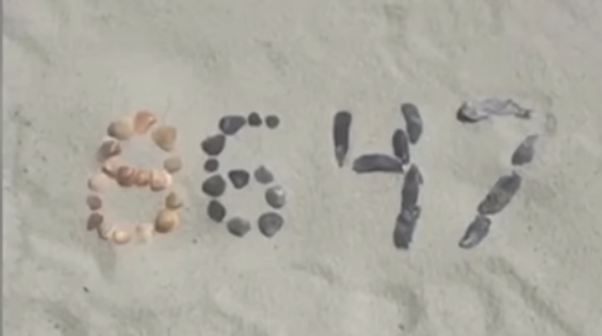
James Comey is afforded the same protections under law as all other Americans.